


-

Add: HeBei ShengShi HongBang Cellulose Technology CO.,LTD.
-

Email
13180486930@163.com -

CONTACT US
+86 13180486930

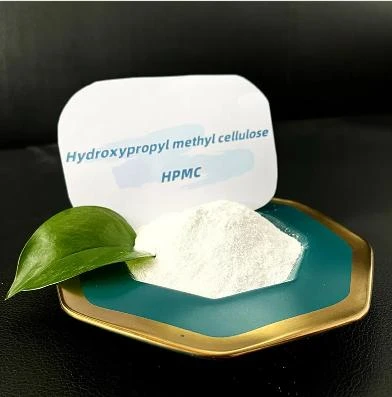

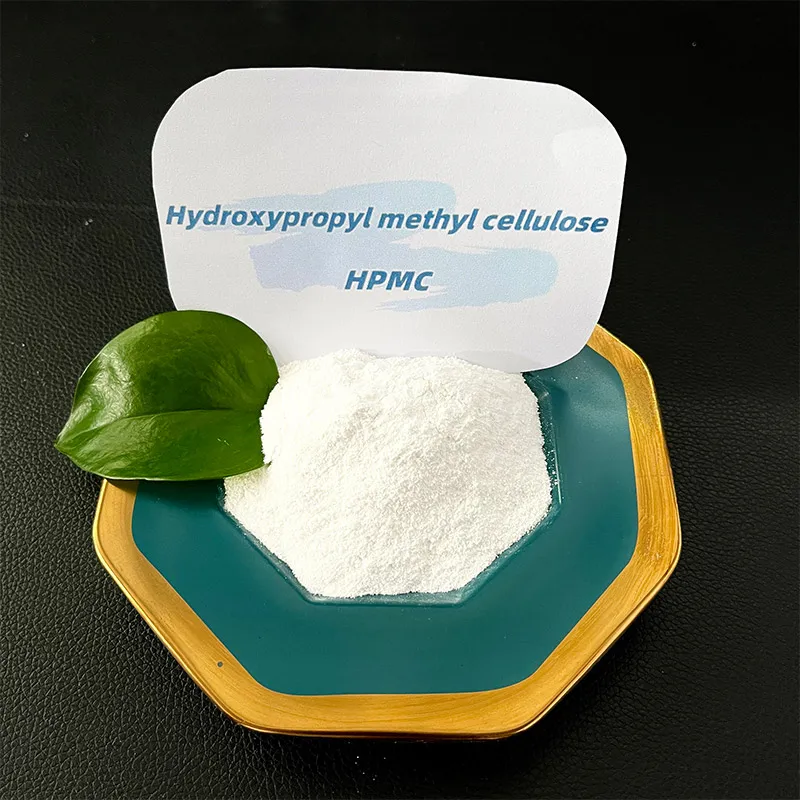


Hydroxypropyl Methylcellulose (HPMC) has emerged as a versatile and essential ingredient in the food industry, transforming the way food products are developed and enhancing their quality. Employed namely for its exceptional emulsifying, thickening, and gelling abilities, HPMC continues to gain recognition among food scientists and manufacturers for its innovative applications. With its origin traced back to cellulose, HPMC is produced through the chemical modification of this natural component, ensuring it remains non-toxic and safe for consumption. This synthetic polymer exhibits a high-water retention quality and forms a gel when dissolved in cold water, which makes it optimal for a multitude of food applications. In bakery products, HPMC assumes a critical role in improving dough properties, retaining moisture during baking, and extending the shelf life of finished products. Its ability to reduce the retrogradation of starch ensures that baked goods maintain freshness longer than they typically might, which is highly beneficial for both bakeries and consumers. The addition of HPMC in gluten-free recipes is a game-changer, as it compensates for the loss of gluten, providing structure and elasticity to dough, thus enhancing the texture and appeal of gluten-free bread and pastries. Furthermore, HPMC’s role in creating emulsions makes it indispensable in the production of sauces, dressings, and gravies. Its stabilizing properties prevent the separation of oil and water, ensuring a consistent texture and appearance. Food scientists have noted its effectiveness in low-fat and low-calorie products, where fat content reduction is desired. Here, HPMC enhances mouthfeel and mimics the creaminess of full-fat counterparts without compromising taste or satisfaction, aligning perfectly with the growing demand for healthier food options. In the dairy industry, HPMC is utilized to improve viscosity and stabilize dairy products such as yogurt and ice cream. It helps in maintaining the form and consistency, particularly in reduced-fat versions, by preventing ice crystal formation which can detract from the smoothness typically desired in ice cream. By promoting even distribution of particles and maintaining the suspension of other ingredients, HPMC ensures consistency throughout the product's shelf life. hpmc in food Snack foods benefit from HPMC's film-forming properties, which are leveraged to create barriers that prevent moisture gain and oil migration, preserving crunchiness and flavor. This attribute is particularly advantageous in products such as fried snacks and cereals, where a prolonged crispiness is a key quality attribute sought by consumers. The burgeoning plant-based food sector has also recognized the utility of HPMC. As an emulsifier, binder, and stabilizer, HPMC enhances the coherency and mouthfeel of plant-based meat and dairy alternatives. It helps mimic the juicy texture and structure of animal-derived products, often missing in plant-based options, thereby raising their appeal to a broader audience. However, the incorporation of HPMC into food products is not merely functional; it's also regulated by stringent safety standards. The Food and Drug Administration (FDA) along with the European Food Safety Authority (EFSA) have approved HPMC as a safe food additive, which reassures both manufacturers and consumers regarding its use. Innovation and sustainability also find their intersection with HPMC, as its cellulose base derives from plant fibers, positioning it as an environmentally friendly option in food production. This sustainability angle aligns with global movements towards reducing environmental impact, elevating HPMC's status not just as a synthetic enhancer but as a responsible choice within product formulations. As food technology advances, the importance of HPMC in food products only becomes more pronounced . Its adaptability and multifaceted benefits make it a cornerstone in developing not only tasty but also stable and healthy food options. For food manufacturers aiming to stay ahead in the competitive market, understanding and utilizing HPMC’s full potential is indispensable.
- 40000tons

Production
- 20+years

Experience
- 5000+㎡

Acreage

-
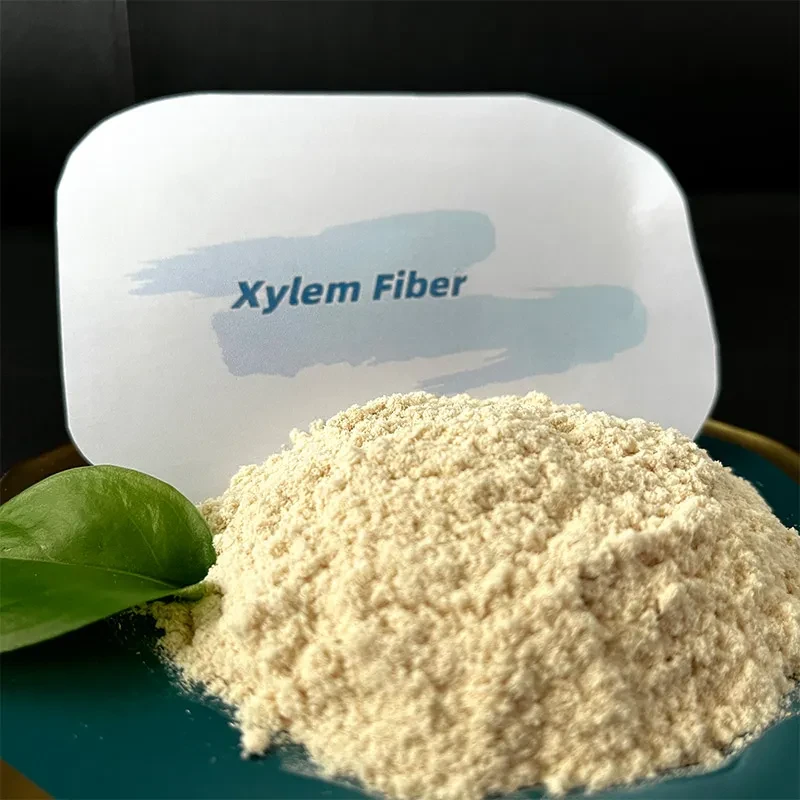
Understanding Polypropylene Fibers for Concrete Slabs Enhancing Durability and Performance In the realm of construction, the search for materials that enhance the durability and overall performance of concrete structures is a constant pursuit. Among various innovative solutions, polypropylene fibers have emerged as an effective reinforcement medium, particularly in the context of concrete slabs or soleras. This article explores the characteristics, benefits, applications, and considerations of using polypropylene fibers in concrete mixtures, shedding light on their significance in modern construction. What are Polypropylene Fibers? Polypropylene fibers are synthetic fibers derived from the polymerization of propylene monomers. These fibers are lightweight, resistant to chemical degradation, and have excellent tensile strength. Due to their inherent properties, they have been increasingly used in various construction applications, particularly as additives in concrete mixes. When integrated into concrete, polypropylenes create a three-dimensional matrix that enhances the material's integrity. Benefits of Using Polypropylene Fibers in Concrete Slabs 1. Reduced Cracking One of the primary advantages of incorporating polypropylene fibers into concrete slabs is the significant reduction in plastic and shrinkage cracking. Concrete is susceptible to cracking as it cures due to temperature variations and drying shrinkage. Polypropylene fibers help to distribute stress more evenly, effectively reducing the likelihood of cracks forming. 2. Improved Impact Resistance The addition of polypropylene fibers enhances the impact resistance of concrete slabs. This is particularly beneficial in applications where heavy loads or foot traffic are expected, such as industrial floors, warehouses, and parking garages. The fibers absorb and dissipate energy during impact, reducing damage and extending the lifespan of the flooring. 3. Enhanced Durability Polypropylene fibers contribute to the long-term durability of concrete. They help to mitigate the adverse effects of environmental factors such as freeze-thaw cycles, moisture penetration, and the corrosive actions of de-icing salts. This is crucial for structures exposed to harsh environmental conditions. 4. Lightweight and Cost-effective Compared to traditional steel reinforcement methods, polypropylene fibers are lightweight and generally more cost-effective . Their ease of incorporation into the mixing process minimizes labor costs and simplifies transportation and handling. 5. Aesthetic Benefits When polypropylene fibers are used in concrete mixtures, they can help provide a more uniform and aesthetically pleasing finish. The fibers can be evenly dispersed throughout the concrete, contributing to a consistent appearance and reducing surface imperfections. fibras de polipropileno para solera Applications in Concrete Construction Polypropylene fibers are versatile and can be used in various concrete applications. Some notable examples include - Industrial Floors In warehouses and factories, durable floors that can withstand heavy machinery and foot traffic are essential. Polypropylene fibers enhance the robustness of these slabs, reducing maintenance costs and downtime due to repairs. - Decorative Concrete In decorative concrete applications, such as stamped or colored concrete, polypropylene fibers can improve the structural integrity while allowing for creative design without compromising strength. - Pavements and Sidewalks The addition of polypropylene fibers to pavements and sidewalks helps to increase their lifespan, reduce maintenance, and improve overall performance against environmental stressors. Considerations for Use While polypropylene fibers offer numerous benefits, several considerations should be taken into account. Proper dosage is crucial; excessive amounts may lead to workability issues during mixing and placement. It is also essential to ensure that the selected fibers are compatible with the specific concrete mix design and any other additives being used. Furthermore, thorough testing should be conducted to understand how polypropylene fibers will interact with the specific conditions of the intended application, including environmental exposure and load requirements. Collaborating with concrete specialists can help optimize the use of polypropylene fibers for desired outcomes. Conclusion In conclusion, the integration of polypropylene fibers in concrete slabs presents a myriad of benefits that enhance performance, durability, and aesthetic appeal. As construction continues to evolve, the adoption of such innovative materials will be paramount in meeting the demands of modern infrastructure. With ongoing research and development, polypropylene fibers stand to play a significant role in improving concrete technology, ensuring stronger, more resilient structures for the future. Embracing these advancements not only promotes economic efficiency but also plays a vital role in sustainable building practices.
-
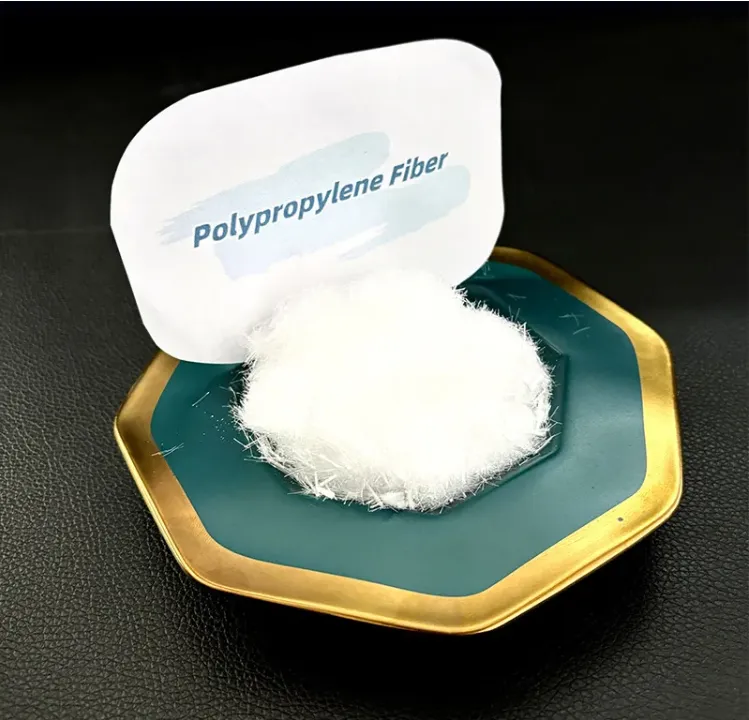
Fiberglass reinforced polypropylene (FRPP) is revolutionizing industries due to its synergistic blend of properties that combine strength with versatility . As an advanced composite material, FRPP is gaining traction for its ability to fulfill the rigorous demands of various applications while maintaining cost-effectiveness. Here, we delve into the characteristics, applications, and advancements of FRPP, highlighting the material's impact across sectors. FRPP is crafted by integrating glass fibers into a polypropylene matrix, resulting in a composite that exhibits enhanced mechanical properties. This material stands out due to its impressive strength-to-weight ratio, corrosion resistance, and excellent impact resistance. Unlike pure polypropylene, FRPP combats structural weaknesses and expands the scope of applications through more demanding environments where conventional materials might fail. This robust nature of FRPP makes it an invaluable asset for industries that require durable yet lightweight materials. One of the standout features of FRPP is its corrosion resistance, a crucial factor in chemical processing, water treatment plants, and maritime applications. Components made from FRPP can withstand the harsh conditions of exposure to chemicals, salty water, and other corrosive substances. This quality ensures longevity and reliability, reducing maintenance costs and downtime associated with traditional materials that corrode over time. The automotive industry is also benefiting from FRPP, where reducing vehicle weight without sacrificing safety and performance is paramount. FRPP allows manufacturers to design components that are lighter yet structurally sound, contributing to improved fuel efficiency and reduced emissions. Moreover, this material is adaptable to a variety of automotive parts, from bumpers to dashboards, revolutionizing the design paradigms within the industry. fiberglass reinforced polypropylene In piping systems, FRPP is setting new standards by offering flexibility and strength. The pipelines used in sewage systems, industrial wastewater management, and potable water systems leverage FRPP for their ability to endure pressure while being resistant to heat and chemical degradation. These characteristics mean consistent performance across the pipeline's lifespan, establishing FRPP as an environmentally friendly choice by reducing the frequency of repairs and replacements. When considering the environmental impact, FRPP is particularly appealing due to its recyclability. As industries move towards sustainable practices, materials like FRPP align with greener strategies by offering recyclability without losing significant structural integrity. This not only supports a circular economy but also helps organizations meet stringent environmental regulations. Development in FRPP technologies continues to advance, pushing the boundaries of performance and applicability. Research and improvements in fiber-matrix bonding techniques are enhancing the overall performance of FRPP components. Manufacturers are also exploring hybrid composites, combining FRPP with other polymers or additives to tailor the material properties to specific application needs. In conclusion, fiberglass reinforced polypropylene stands as a testimony to technological innovation in material science. Its application across diverse industries underscores its reliability and capability to meet demanding requirements with an environmentally conscious approach. As the material continues to evolve, it holds the promise for more groundbreaking applications, underscoring its role in shaping the future landscape of engineering and manufacturing. By choosing FRPP, industries not only leverage enhanced material properties but also gain an ally in the pursuit of sustainability and efficiency.
advantages
-

200000 Viscosities
Excellent product
We can produce pure products up to 200,000 viscosities
-

40000 tons
High yield
We don’t stop production all year round, and the annual output can reach 40,000 tons
-

24 hours
Quality service
We provide 24-hours online reception service, welcome to consult at any time
———— Inquiry Form
Schedule A services

-
 hydroxypropyl_methylcellulose_for_hair
Oct . 25, 2025
The world of construction and industrial materials is constantly evolving, and the demand for innova -
 hpmc_enteric_coating
Oct . 25, 2025
Hydroxypropyl methylcellulose (HPMC) is widely recognized as a versatile compound that finds its app -
 is_cellulose_wood_pulp
Oct . 25, 2025
Hydroxypropyl methylcellulose (HPMC) E15 is a versatile polymer used widely in various industries du


